


Measurement Guide
Find your fit with a tape measure and a garment you already love wearing. This guide explains how to compare finished-garment measurements, measure different types of clothing and take body measurements when you need sizing advice.
They describe the clothing itself, not the body it is intended to fit. For the most useful comparison, measure a similar garment that fits you comfortably. Always check the size chart on the individual product page.
01 / Before you measure
- Choose a useful reference. Compare a fitted dress with a similar fitted dress, trousers with trousers, and a jacket with a jacket you wear over a similar layer. A loose knit top is not a reliable reference for a structured woven dress.
- Prepare the garment. Fasten buttons and zips, lay it on a flat surface and gently smooth out wrinkles. Keep fabric relaxed; do not pull elastic, stretch knits or force pleats open.
- Check the units and labels. Use the same unit as the product chart. 1 inch = 2.54 cm. Confirm whether the number describes a flat width, a circumference or a length.
- Measure twice. Keep the tape flat and straight. Record the figures and compare them with the specific product’s chart, rather than relying only on your usual size label.
For a garment laid flat, a bust width of 46 cm corresponds to approximately 92 cm around the garment. Double a flat bust, waist or hip width only when comparing it with a circumference in the chart. Do not double shoulder width, sleeve length or garment length. This example explains the calculation; it is not a size recommendation.
The drawings below show reference measurement locations. Construction and measurement starting points can vary. If a product chart uses a different method or does not explain a dimension, ask us to confirm before choosing a size.
02 / Tops, blouses, knitwear & jackets

- A — Bust: measure straight across the laid-flat garment from one underarm to the other. Double this width if the product chart lists bust circumference.
- B — Shoulder: for a garment with set-in sleeves, measure across the back from one shoulder seam to the other. Dropped shoulders and raglan sleeves need a different comparison; do not assume their shoulder figures mean the same thing.
- C — Sleeve: the drawing shows a set-in sleeve measured from the shoulder seam to the cuff. A centre-back-to-cuff measurement includes additional distance and cannot be compared directly. Check the method used in the product chart.
- D — Length: a useful reference is from the high shoulder point beside the neckline down to the hem. Confirm the chart’s starting point before comparing, especially for cropped, asymmetric or unusual necklines.
What matters for the fit?
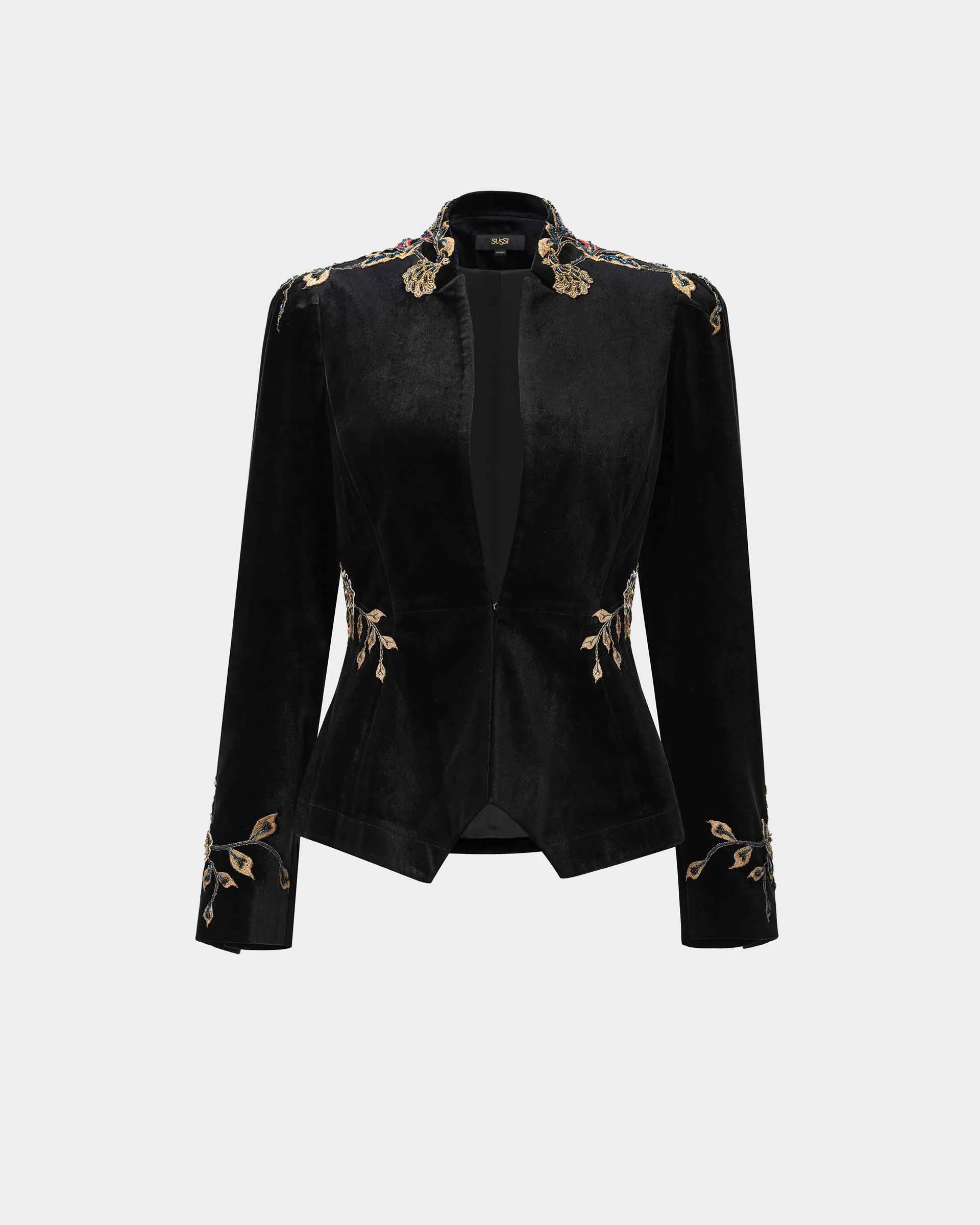
For a fitted blouse, compare the bust and shoulder measurements as well as the size label. For jackets and layering pieces, use a reference garment that fits comfortably over your intended underlayer. For knitwear, measure it relaxed; do not assume that every knit has the same amount of stretch.
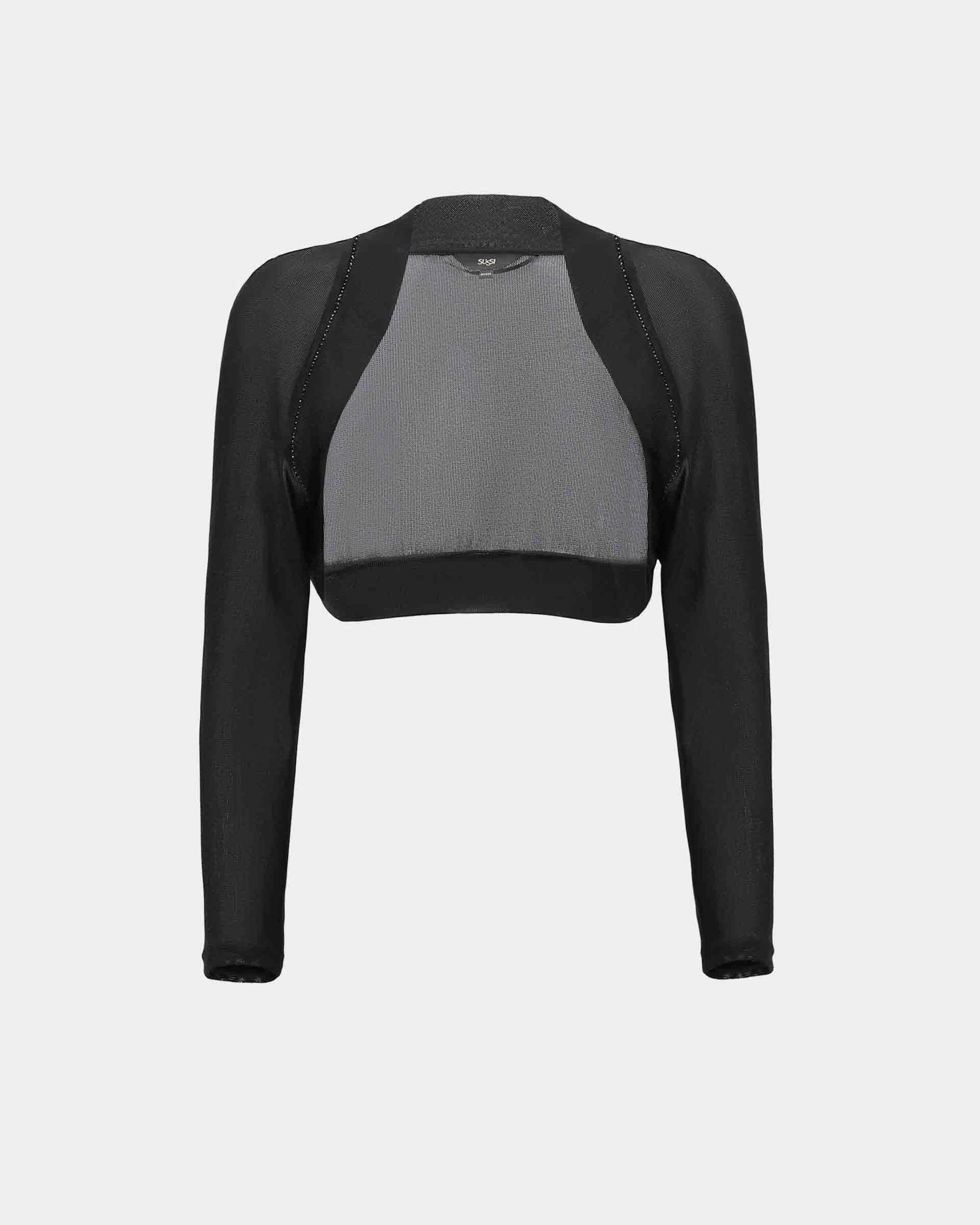
For sheer tops, shrugs and open-front cover-ups, consider the fit of the complete outfit. Check the product description to see which pieces are included, and choose your underlayer separately where required.
03 / Dresses & gowns

- A — Bust: measure across the bust of a similar dress laid flat, then double the width when comparing with circumference.
- B — Waist: measure across the dress at its waist seam or defined waist area. An empire waist sits higher than a natural waist, so use a comparable style and check the product chart.
- C — Hip: measure across the fullest hip area of a fitted dress. Keep the position consistent with the chart; a full skirt’s extra fabric does not describe a close body fit.
- D — Length: compare the garment’s length using the starting point specified for the product. For high-low and asymmetric hems, the listed length refers to the longest point, not the shorter side.
Choosing for a special occasion
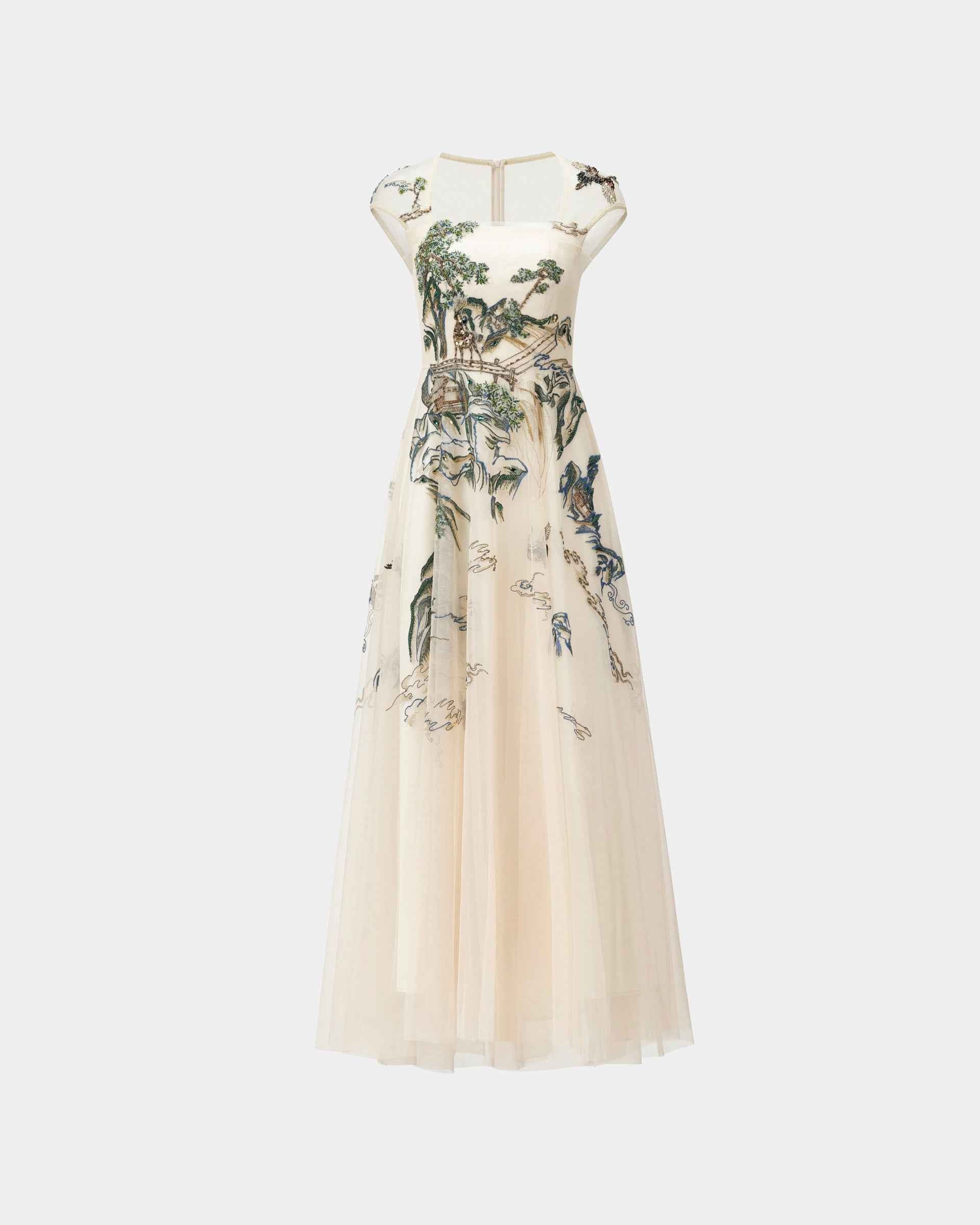
With fitted or mermaid silhouettes, compare every listed bust, waist and hip dimension. For a dress fitted through the bodice with a fuller skirt, pay particular attention to the bodice and waist. No single measurement should override another area that needs to fit.
Height alone cannot tell you exactly where a dress will fall. Your proportions, the garment’s cut and your footwear all affect the result. A similar dress measured using the same method provides a more useful reference than model height alone.
04 / Skirts

- A — Waist: fasten the waistband and measure straight across without stretching it. Double the flat width if the chart gives waist circumference.
- B — Hip: on a fitted skirt, measure across the fullest hip area. Compare with a skirt that sits at a similar height on your body.
- C — Length: measure from the top of the waistband to the hem using the chart’s stated method. For an asymmetric hem, the listed length is the longest point.
A high-waisted skirt and a skirt worn lower on the hips can need different waistband measurements. For close-fitting or fishtail styles, consider hip room as well as waist fit. Do not stretch an elastic waistband to its maximum and assume that will be comfortable to wear.
05 / Trousers & shorts

- A — Waist: close the fastening, align the waistband naturally and measure straight across. Double the width when comparing with waist circumference.
- B — Hip: measure across the fullest seat area with the garment flat and relaxed, then double if needed for circumference.
- C — Outseam: measure from the top of the waistband down the outer leg to the hem. Compare this only with an outseam or equivalent full-length figure.
- D — Inseam: measure along the inside leg seam from the crotch seam to the hem. Inseam and outseam are different measurements; do not substitute one for the other.
Use trousers with a similar rise and silhouette as your reference. Wide legs do not automatically mean a loose waistband or seat. If the chart says only “Length” and the method is unclear, ask us which measurement it represents.
06 / How to take body measurements
Body measurements help us discuss fit and customization with you. They are different from the finished-garment measurements in our product charts; clothing needs room for its intended fit and movement.

Use a flexible tape over close-fitting underwear or a light base layer. Stand naturally without holding your breath. Keep the tape level and comfortably close to the body, without compressing it. A mirror or another person can help keep it straight.
- A — Bust: measure around the fullest part of your bust, wearing the bra or undergarment you intend to wear with the outfit.
- B — Natural waist: measure around your natural waist, usually the narrowest part of your torso. Do not assume this is where every skirt or trouser waistband will sit.
- C — Hip: stand with your feet together and measure around the fullest part of your hips and seat.
Label these clearly as body measurements when sending them to us. If you also measure a favourite garment, send those figures separately and say how you measured it.
07 / Common fit questions
Should I order my usual size?
Use it as a starting point, then check the individual product chart. Cuts and fabrics differ, so the same size label will not always provide the same fit.
What if I am between two sizes?
Compare the dimensions that matter for that style: for example, bust and shoulders for a fitted top, or waist and hips for a fitted skirt. Consider your preferred fit and intended layers. There is no universal rule to size up or down; contact us with the product link and your measurements if the choice is unclear.
Can I compare my body measurement directly with the chart?
Not as a like-for-like measurement. Our charts describe the garment. A garment that has the same circumference as your body may not provide the room you need. Compare a similar well-fitting garment, or send us your body measurements for advice. We do not recommend adding one fixed allowance to every style.
How do I choose a size for a sheer outer layer?
Compare an outer layer you already wear over a similar outfit. Check shoulder and bust fit where those measurements apply, and allow for your intended underlayer. Read the individual product description for coverage and what is included in the purchase.
What if none of the sizes suit me?
We offer customization. Contact us before ordering to discuss the product, your measurements and any requested changes. Available alterations and the production schedule need to be confirmed individually.
What if my order does not fit?
For ordinary, non-customized products, you may request a return or exchange within 15 days of receipt. Shipping costs for non-quality-related returns or exchanges are your responsibility. Items must meet the conditions in our Return & Exchange Policy; contact us for approval and instructions before sending anything back. Customized orders have separate restrictions.
08 / Let us help you find your fit
If you are unsure, contact our team or email support@sussiland.com before ordering. Include:
- The product name or link and the size you are considering.
- Your height and relevant body measurements, labelled as body measurements.
- If available, measurements of a similar garment that fits you well, with the measurement method.
- Your preferred fit, intended underlayers and any specific concern, such as the waist, shoulders or overall length.
- For a customization enquiry, the changes you would like and any event date.
We can help you interpret the chart and discuss the available options. Please confirm any customization details and timing with us before placing your order.
